Getting Ahead of the Shift: Adam Jarosik Earns His LEED Green Associate
Meet Adam Jarosik
Most people wait for the industry to tell them what’s next. Adam Jarosik isn’t wired that way.
MKM associate Adam Jarosik recently earned his LEED Green Associate credential, the foundational step in the U.S. Green Building Council’s rating system for sustainable design. It’s the starting line for architects who want to build a serious sustainability practice. For Adam, it’s a milestone he’s been moving toward since college.
LEED (Leadership in Energy and Environmental Design) is the most widely used green building rating system in the world. The Green Associate credential establishes fluency in sustainable design principles, energy efficiency, and building systems. From there, practitioners can specialize through the LEED AP designation, focusing on specific building types like new construction, interiors, or operations.
We sat down with Adam to hear about the journey in his own words.
You minored in sustainability in college. What drew you to it?
Hearing about all the cool technology and strategies used to make a building more sustainable or efficient has always interested me. Knowing how to maximize efficiency seemed like such a basic thing to do. It’s interesting that it’s not a priority for everyone.
What made you decide to take the exam when you did?
In my 5th year I took an independent study that let me explore USGBC and everything it had to offer. I developed a broad understanding of the rating system, explored their education tools, earned their badges. That laid a strong foundation, and the idea of taking the exam had been in the back of my head ever since. One day I just decided to pull the trigger.
Are there projects where this is already feeling relevant?
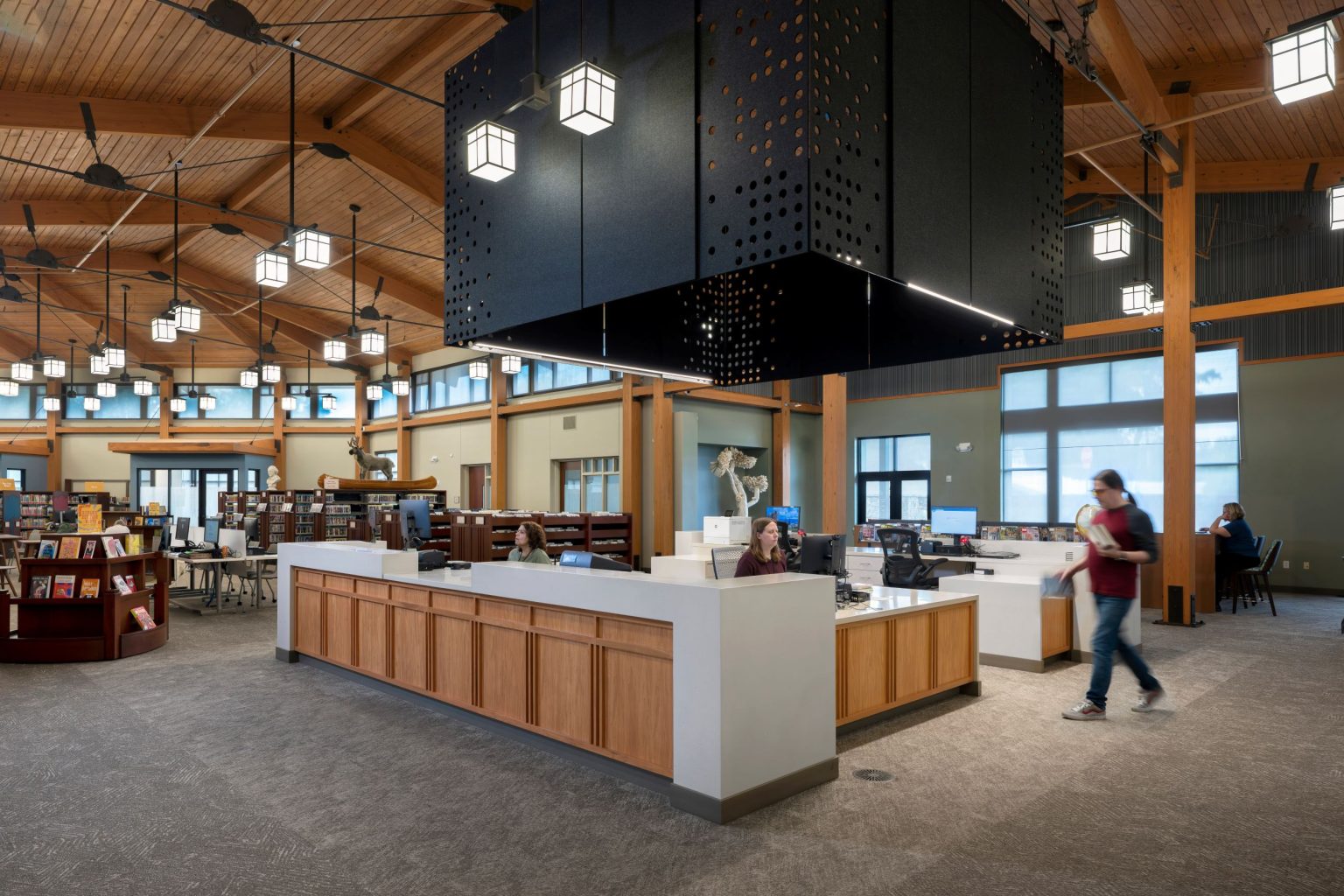
Our library project in Evansville has been a great project to flex some of these skills. While not necessarily a sustainability-focused project, the owner pushed us to incorporate biophilic design elements, which I think connects directly to the world of sustainability. Thinking of a project as a complex system rather than individual parts is how I approach it. That idea of systems thinking is what separates a good sustainability project from a bad one.
What’s the difference between LEED GA and LEED AP?
LEED GA establishes the basic knowledge and understanding of LEED and the sustainability world. LEED AP takes that foundation and applies it to specific expertise. I’d love to pursue LEED AP BD+C, Building Design and Construction, because it applies most directly to my daily work. I want to find ways to incorporate sustainability thinking into every project MKM touches.
Where do you think this is all headed?
I strongly believe sustainability will become the norm. We’re already seeing the effects of climate change. The built environment is going to have to make drastic changes. Eventually the code will change, or client expectations will shift, and architects will have to move toward more sustainable methods.
I would like to be at that level today. Get ahead of the eventual shift. Because it will happen. And with how much time the average person spends indoors, changing the way we build and design has the best chance of having a real positive impact.
We don’t know exactly where this path takes him. But we’re glad he’s figuring it out with us.
What is
LEED?
Leadership in Energy and Environmental Design. A globally recognized green building rating system administered by the U.S. Green Building Council.
1
How it works
Buildings earn points across sustainability categories. The more points earned, the higher the certification level. A maximum of 110 points is possible.
Before earning a single point, every project must meet baseline prerequisites. Those are non-negotiable.
2
The four
The four
certification levels
80+points
60–79points
50–59points
40–49points
3
What gets scored
4
By the numbers
110
Maximum points possible
111,397
LEED-certified projects worldwide as of 2024
180+
Countries with LEED-certified projects
20–30%
Less energy used by LEED-certified homes vs. standard construction
260
LEED Platinum certifications in the U.S. in 2024
40
Minimum points to earn any certification
25 years
LEED has been setting the green building standard since 2000
Buildings are LEED certified. People are LEED accredited.
Both require proving performance, not just intention.
SOURCE: U.S. Green Building Council — usgbc.org