
Ron O’Connor brings a steady, collaborative presence to MKM as our Director of Construction Administration, based in our Indianapolis office.
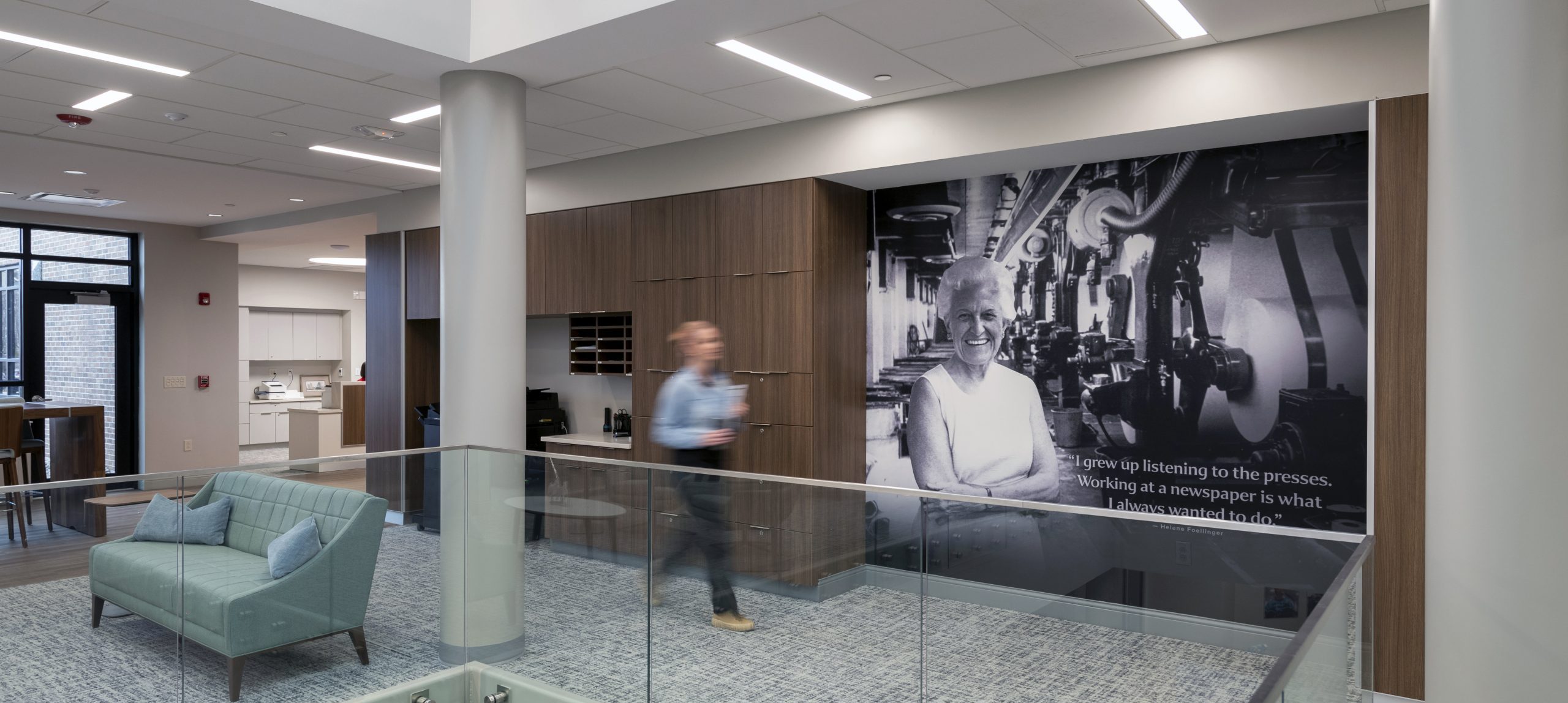
The Foellinger Foundation renovation has earned a Citation Award for Interior Architecture from AIA Fort Wayne. It’s an honor to be recognized by peers who know how thoughtful interior design revitalizes a community institution—especially one dedicated to supporting nonprofits and community well-being. This project wasn’t about style points (though natural light is compelling). It was about enhancing connection—among staff, community partners, and everyone who enters—and aligning stories with the Foellinger Foundation’s mission to champion Allen County since 1958.
Before & After: A Space Reimagined
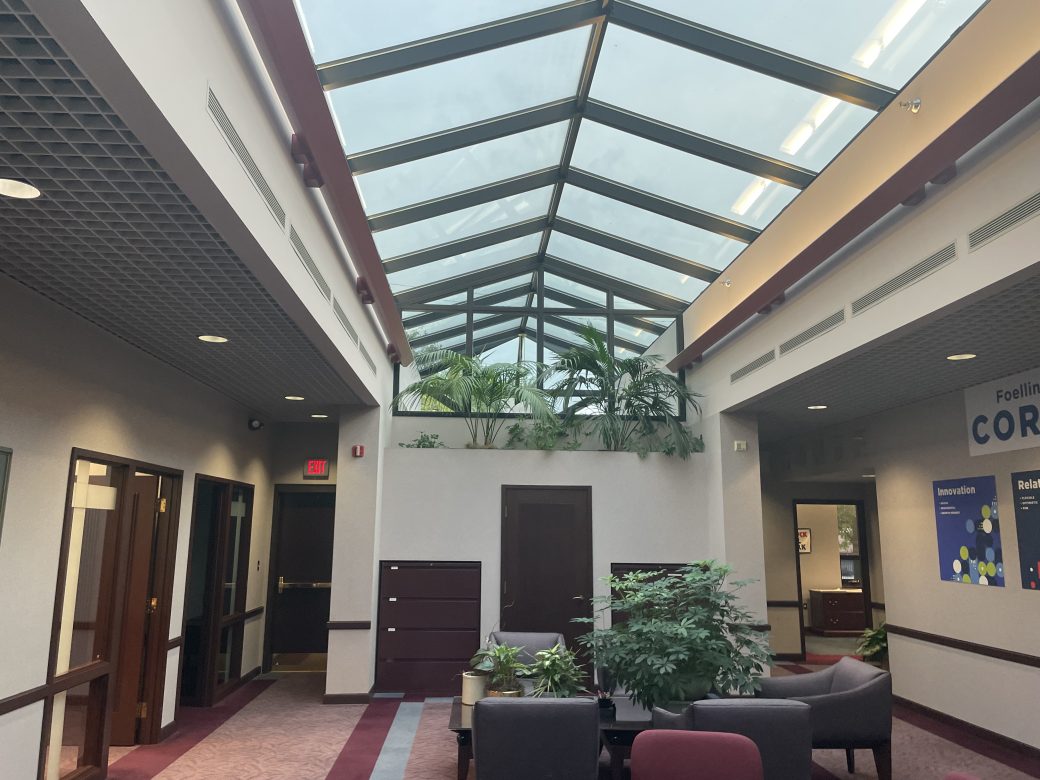
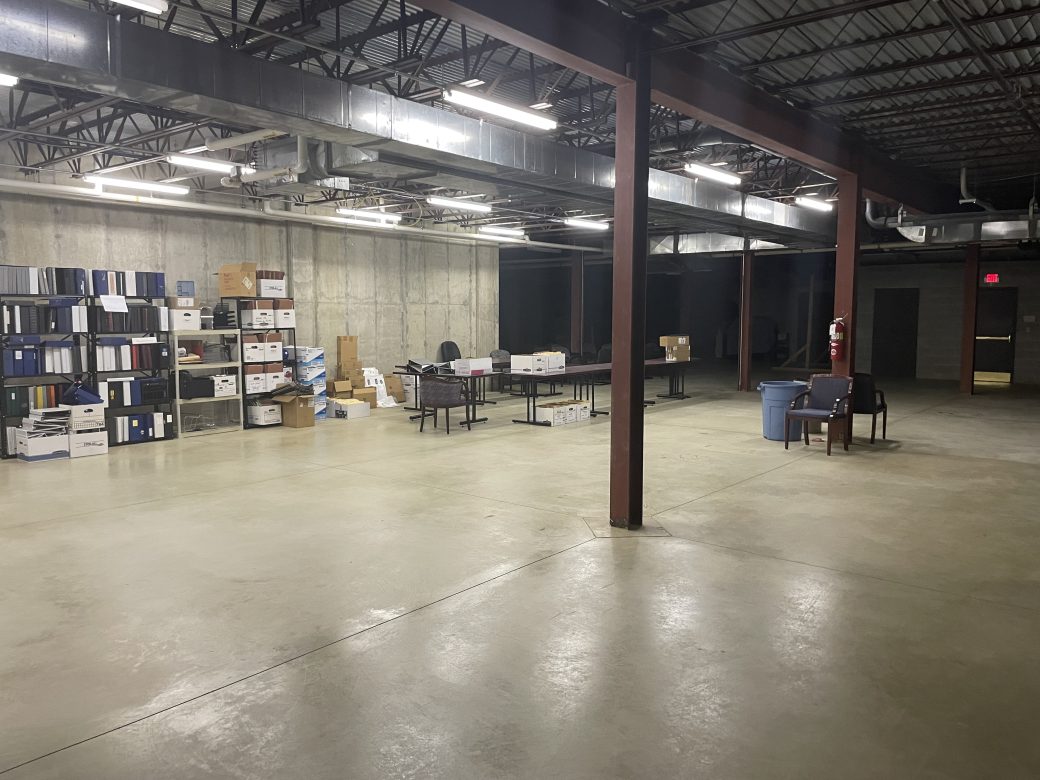
Before the renovation, the building had strong features, including large skylights meant to brighten the first floor. Over time, those views became blocked. Light no longer reached the places where people gathered or worked. The basement remained unfinished. Staff spaces needed to evolve to support a growing team.
The project set out to change that. We focused on two goals:
- (1) Create staff workspaces that support attraction and retention.
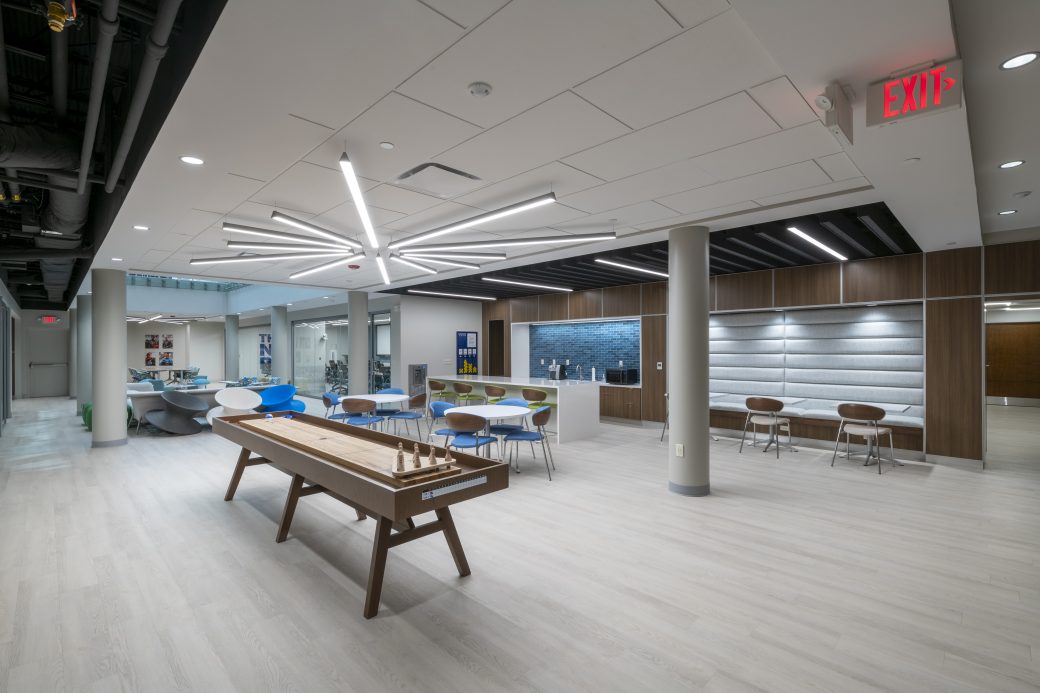
- (2) Transform the unfinished basement into a welcoming, flexible gathering space.
Modernizing the interior strengthened the Foundation’s ability to serve the community while honoring its legacy. The refreshed building encourages activity, collaboration, and conversation among grantees and community members.
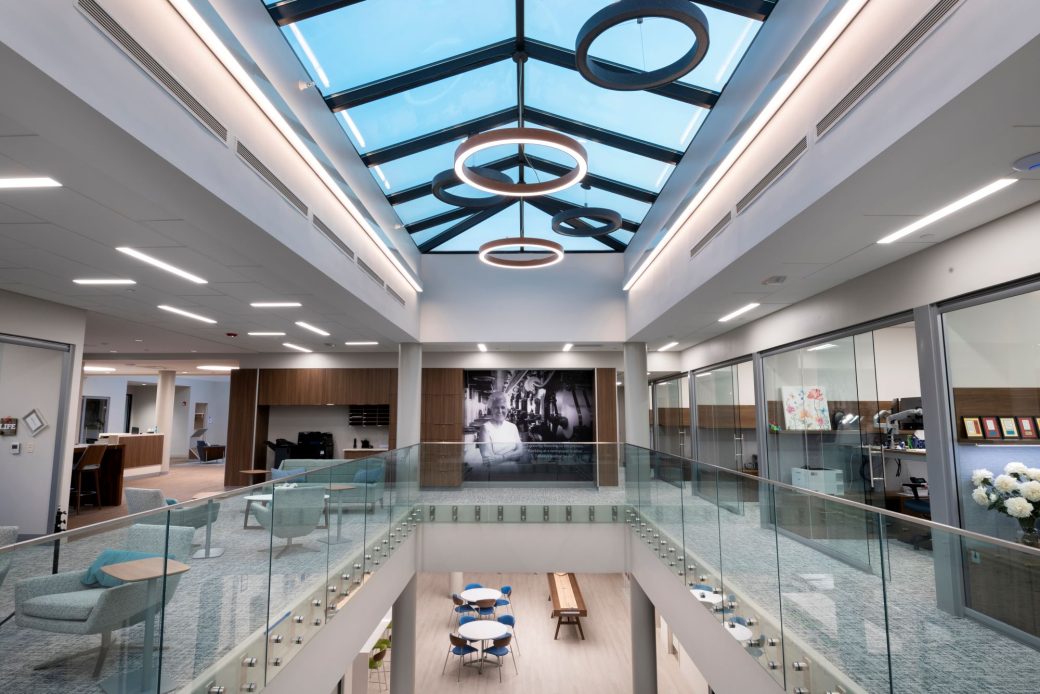
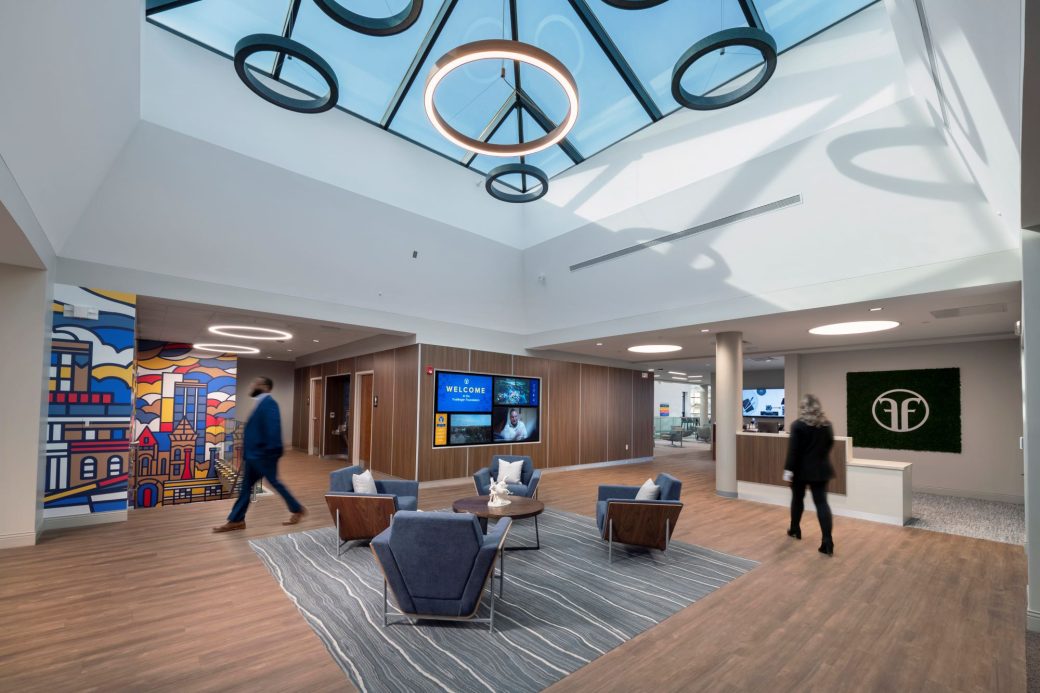
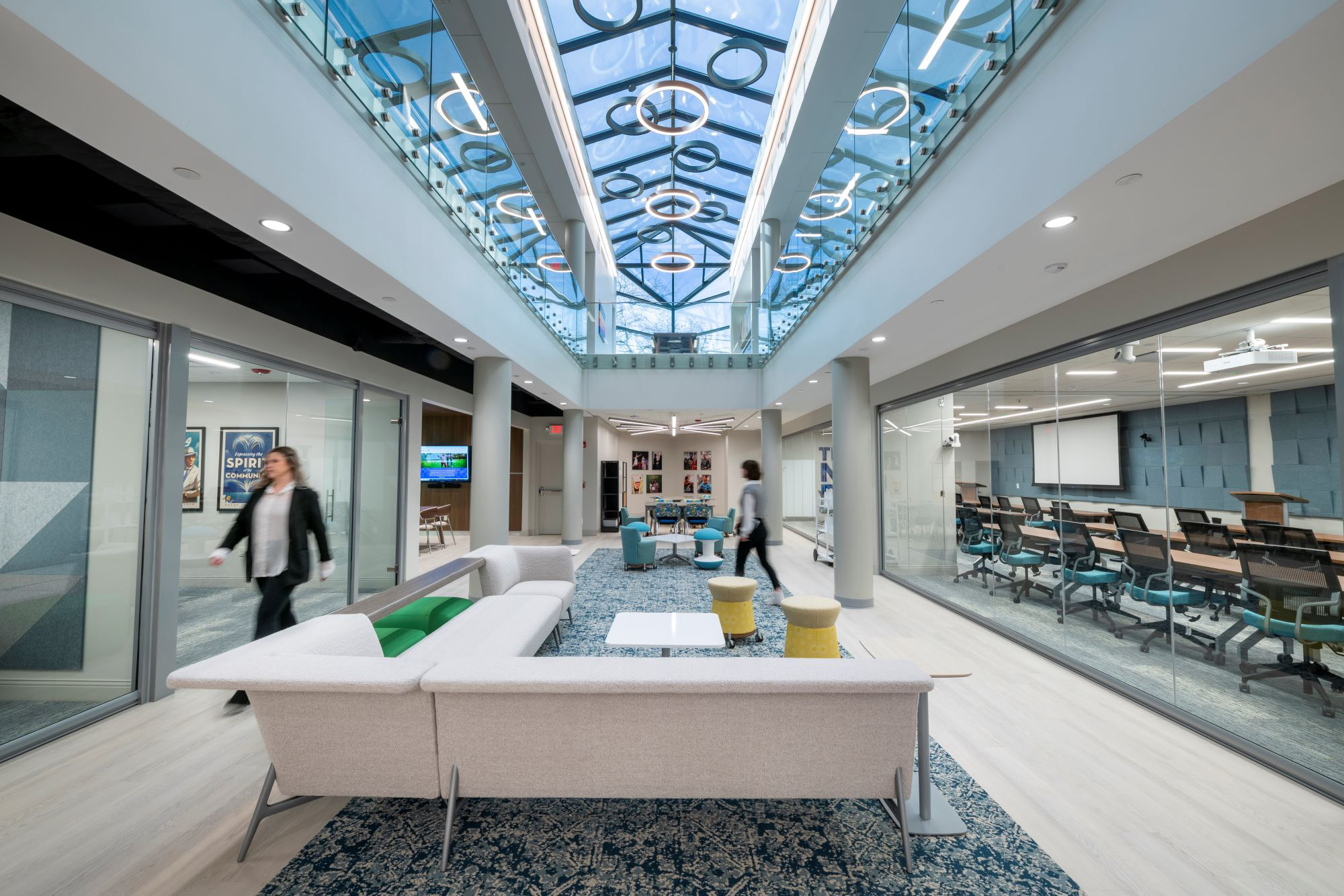
To restore daylight, we removed a section of the first floor directly below a central skylight. Light now reaches the lower level, reshaping how people move through the building. New offices gained full-height glass fronts to increase visibility. Collaborative areas were added throughout. Circulation was rethought: the former fire stair was removed, a new public elevator was installed, and the monumental stair was reconfigured to create a more inviting path to the lower level.
Locally inspired murals now guide visitors with color, warmth, and a strong sense of place.
Before, the building worked.
Now, it connects.
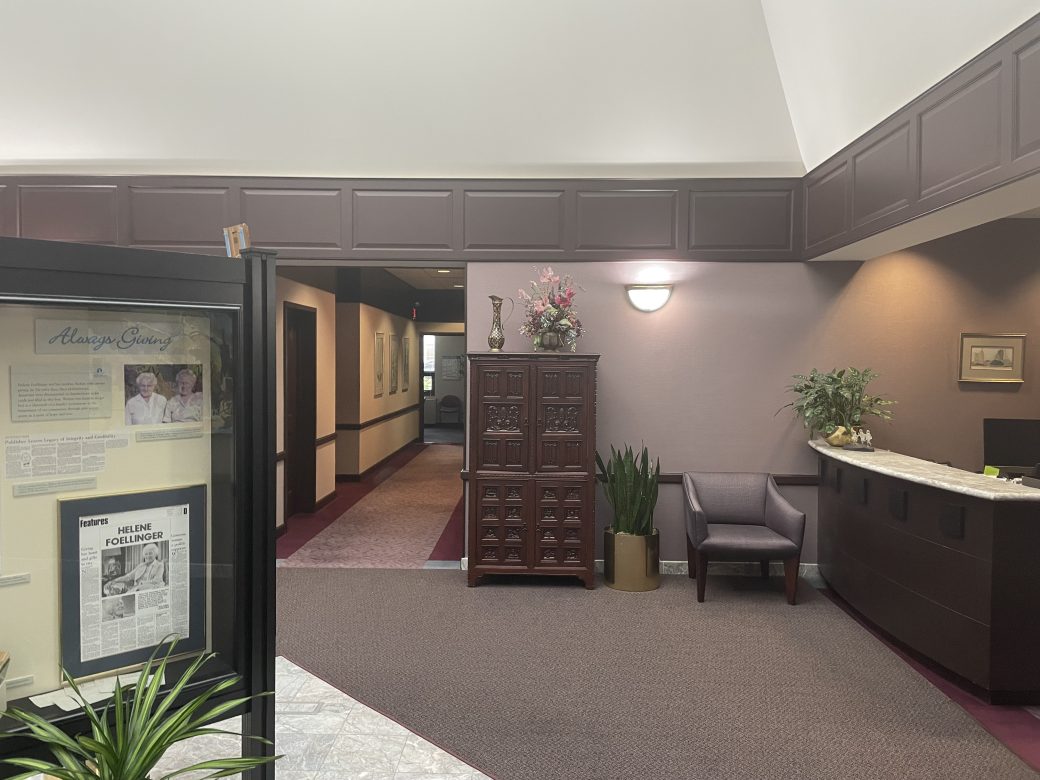
Before Photos: Main level, Lobby & Reception Desk, and Lower Level, pre-renovation
After Photos: Main level, Lobby & Reception Desk & Lower level, post-renovation
Light, Space, and Human-Centered Design
The renovation opened part of the first-floor slab, letting daylight reach the building’s center. Full-height glass office fronts, collaboratives zones, and an intuitive layout encourage interaction and visibility. These changes amplified the human experience, making the space warmer, more navigable, and reflective of the Foundation’s values.
The jury’s comments echoed this sentiment: “While not a novel concept, the bold decision to open the floor up as a means to help light penetrate deeper into the building is applauded…the natural light this response brings…integrates well with the subtle, nature-inspired color palette and the biophilic elements incorporated into the space.”
The jury also highlighted how this move reshaped the building’s logic, fostering collaboration and connection, outcomes we seek when designing environments that support well-being and community.
A Reflection of Shared Purpose
This recognition means more because it aligns with our, and our clients’, commitment to transparency, connection, and impact. The Foellinger Foundation doesn’t just fund— it convenes, supports, and creates spaces for organizations to thrive. This project reflects that work in built form.
Modernizing the interior allowed us to:
- Bring daylight into spaces that were previously dim and disconnected
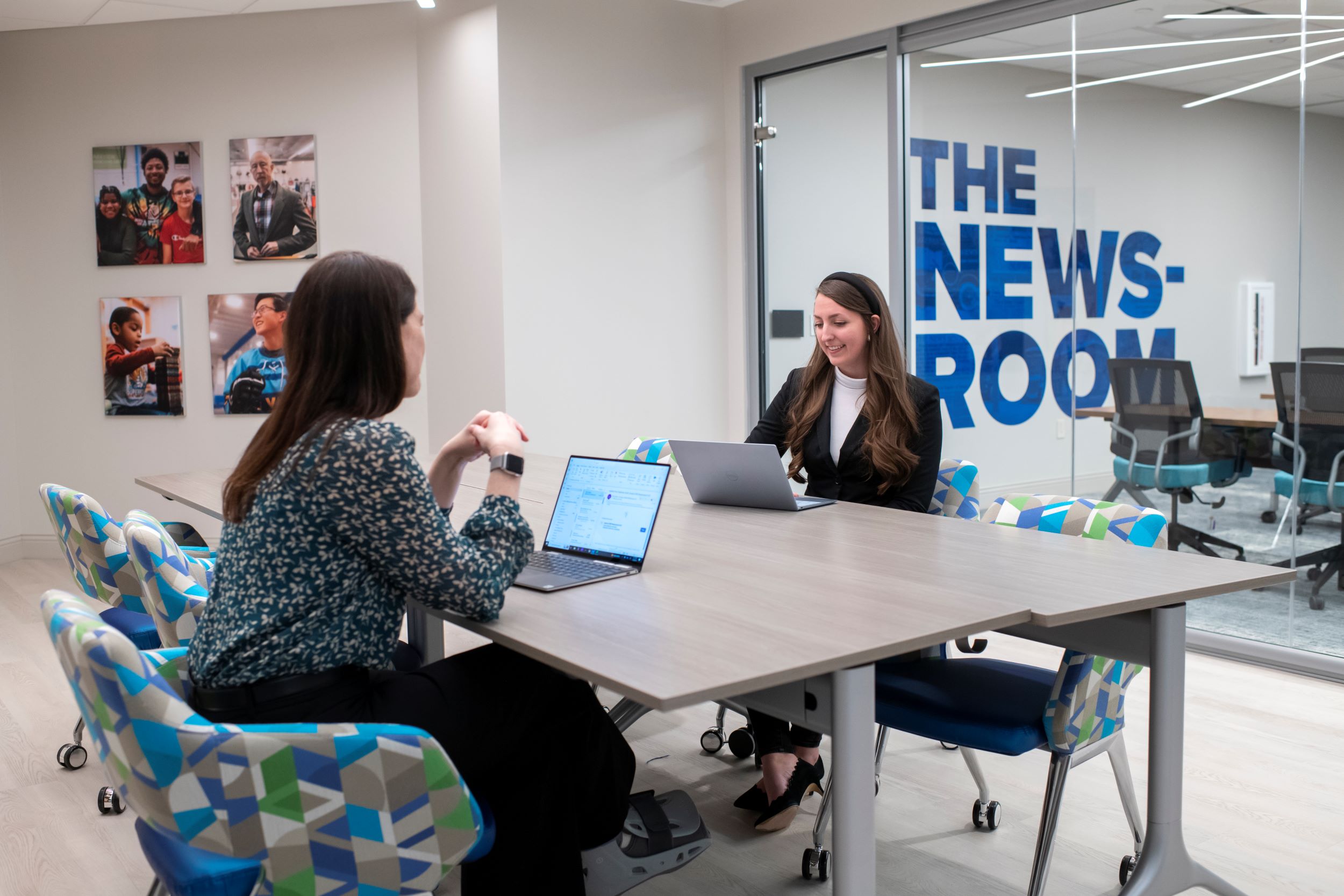
- Increase visual transparency and interactions through glass-front offices and new collaborative zones.
- Create clearer paths and welcoming circulation with reconfigured stairs and gathering areas.
Through every decision—from spatial openings to materials and artwork wayfinding—we focused on people and purpose. That’s the reason behind the design, and what resonates even more is when a jury recognizes the lived experience, not just the look.
Gratitude and Momentum
We’re grateful to the Foellinger Foundation for their trust and to AIA fort Wayne for this acknowledgement. Projects like the Foellinger Foundation renovation remind us why we do this: to create environments that reflect mission, support connection, and let the light in.
See more of this project and others where design meets purpose.